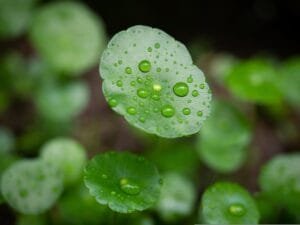
Understanding Pennywort: A Rich History and Cultural Significance
Pennywort (Centella Asiatica) has a rich historical background that stretches across various cultures, particularly in Asia. This herb is renowned for its therapeutic properties and has been utilized in traditional medicine for centuries. Its origins can be traced back to Southeast Asia, where it has been a fundamental element in ancient healing practices. In countries such as India and Thailand, pennywort is revered for its invaluable contributions to holistic wellness.
In traditional Ayurvedic medicine, pennywort is classified as a rejuvenating herb. It is popularly known as “Gotu Kola” in India, and practitioners utilize it to support cognitive functions, enhance memory, and promote overall mental clarity. Likewise, in Traditional Chinese Medicine, pennywort is employed to treat a multitude of ailments, ranging from skin disorders to digestive issues, highlighting its versatility and significance in these age-old systems of healing.
Moreover, pennywort has found its place in traditional cuisines, particularly in Southeast Asia, where it is often incorporated into salads and herbal beverages. Its refreshing taste holds cultural value and reinforces the herb’s role not only in medicinal applications but also in culinary traditions. The adaptability of pennywort across various domains underlines its importance as a healing herb in both historical and modern contexts.
This journey of pennywort from its origins to its integration into contemporary health practices illustrates a broader narrative about herbal medicine’s role in diverse cultures worldwide. Today, with the growing interest in natural remedies, pennywort continues to gain popularity, evolving as an essential ingredient in holistic health circles and esteemed for its vast array of benefits.
Nutritional Composition and Health Benefits of Fresh Pennywort
Fresh pennywort boasts an impressive nutritional profile that contributes to its growing popularity as a health-promoting herb globally. Rich in essential vitamins such as A, C and several B vitamins, pennywort also contains vital minerals including calcium, magnesium and potassium. Its remarkable antioxidant content, primarily attributed to flavonoids and phenolic compounds, enhances its role in promoting overall health.
One of the most significant health benefits of fresh pennywort is its positive effect on skin health. The antioxidants present in this herb help combat oxidative stress, thereby reducing the signs of aging, such as wrinkles and fine lines. Moreover, topical applications of pennywort extract are known to accelerate wound healing and may assist in reducing scarring. Clinical studies have shown that its phytochemical constituents can aid in hydrating the skin and improving its elasticity.
Pennywort is also recognized for its potential cognitive benefits. Research indicates that compounds found in pennywort can enhance memory and concentration, making it a popular choice among students and working professionals looking to improve their cognitive function. Some studies suggest that its neuroprotective properties may help mitigate conditions such as Alzheimer’s disease and other forms of dementia.
Additionally, fresh pennywort is renowned for its anti-inflammatory properties. It has been used traditionally to alleviate symptoms of inflammation and may help in conditions such as arthritis. Scientific evidence supports these uses, demonstrating that pennywort may lower levels of inflammatory markers in the body, offering a natural approach to managing inflammation-related ailments.
Fresh Pennywort Preparations: Methods and Versatility in Cuisine and Remedies
Fresh pennywort, known for its distinctive flavor and myriad health benefits, is a versatile herb that can be employed in numerous culinary and medicinal preparations. This herb boasts a fresh and slightly bitter taste, making it a popular addition to a variety of dishes. Commonly used in Southeast Asian cuisine, pennywort can be enjoyed in salads, smoothies and stir-fries, lending a unique flavor profile to meals while also enhancing their nutritional value.
One popular way to consume fresh pennywort is by integrating it into salads. The leaves can be torn and combined with other fresh vegetables, nuts and a light dressing, yielding a refreshing and nutritious dish. Additionally, this herb is often blended into smoothies, where its earthy taste pairs well with fruits such as bananas and apples, providing an invigorating beverage option rich in vitamins and minerals.
Traditional medicinal applications of fresh pennywort also showcase its remarkable versatility. It can be prepared as a soothing tea, where the leaves are steeped in hot water to extract their beneficial compounds. This preparation is believed to support mental clarity and reduce stress. Furthermore, for those seeking topical remedies, pennywort can be ground into a paste or infused in oils to create ointments. This formulation is often applied to minor wounds, eczema or insect bites, capitalizing on the herb’s reputed healing properties.
Incorporating fresh pennywort into one’s diet or medicinal routines offers a simple yet effective way to harness its multifaceted capabilities. As global interest in natural remedies and health-conscious eating continues to rise, pennywort remains a significant contender in both fresh culinary practices and traditional medicine, reflecting its increasing popularity worldwide.
Global Popularity: Why Pennywort is a Go-To Choice Worldwide
Pennywort has witnessed a remarkable rise in global popularity, driven primarily by its accessibility, cultural integration, and the increasing interest in natural remedies. Found in tropical and subtropical regions around the world, this versatile herb thrives in various climates, making it relatively easy for people from diverse backgrounds to cultivate and use. Moreover, its dual role as both a culinary ingredient and a medicinal resource allows pennywort to become a staple in many households.
The cultural acceptance of pennywort across different societies plays a significant role in its popularity. In countries like India, Malaysia and Indonesia, pennywort has long been a part of traditional medicine, revered for its numerous health benefits, including improved cognitive function and skin health. As individuals globally become more health-conscious and seek alternatives to synthetic pharmaceuticals, this plants longstanding presence in herbal medicine provides a sense of trust and reliability that consumers increasingly value.
There is a growing trend towards health-conscious living, which highlights the desire for organic and natural products. This shift has not gone unnoticed by the wellness industry, which has capitalized on the benefits of pennywort. Many health stores and online retailers now offer pennywort supplements in various forms, such as extracts, powders and teas. This accessibility not only caters to a wide audience but also mainstreams the herb within the holistic health community.
Testimonials from users around the globe further underscore pennywort’s enduring appeal. From those using it for enhanced cognitive performance to individuals who appreciate its refreshing taste in beverages, the shared experiences reveal a common thread of satisfaction and reliance on this ancient herb. As consumers continue to prioritize natural products, pennywort remains a go-to choice, affirming its significant role in contemporary health practices.