Understanding Ticks and Their Habitats
Ticks are small, arachnid parasitic creatures that feed on the blood of mammals, birds and sometimes reptiles and amphibians. Understanding ticks is essential for garden enthusiasts aiming to create a natural defense against them. The life cycle of a tick includes four stages: egg, larva, nymph and adult. Each stage requires a blood meal to progress to the next, which makes them heavily reliant on their hosts. Their life cycle can last from a few months to two years, depending on the species and environmental conditions.
Ticks thrive in habitats that offer moisture and cover, which is vital for their survival. They are commonly found in wooded areas, tall grasses and shrubs, where humidity remains high and hosts are readily available. These habitats allow ticks to remain concealed from predators while they await their next host to pass by. When they latch onto a host, they can transmit various diseases, making it essential for homeowners and gardeners to manage their presence.
Understanding tick behavior is equally important. Ticks generally employ a method known as questing, where they climb onto vegetation and extend their limbs to attach to passing hosts. This behavior typically occurs in warmer months, particularly from spring to late fall, but depending on the geographical region, ticks can be active throughout the year. By recognizing these patterns and the environments where ticks thrive, gardeners can strategically implement plant-based deterrents. Selecting specific plants in the garden that naturally repel ticks helps reduce their population, creating a safer environment for both humans and pets.
Top Plants That Naturally Repel Ticks
Utilizing plants to create a natural defense against ticks is a sustainable and eco-friendly solution. Several plants are particularly effective at deterring these pests due to their scents or chemical properties. Below are some of the top plants known for their efficacy in repelling ticks.

Lavender (Lavandula) is known for its soothing fragrance, is a powerful insect repellent. This resilient plant thrives in well-drained soil and requires full sunlight. The aromatic oils present in lavender are effective in deterring ticks, as the scent masks the presence of humans and animals, making them less appealing targets.
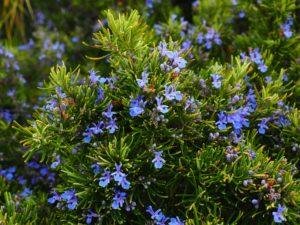
Rosemary (Rosmarinus officinalis) is another popular plant. This evergreen herb not only enhances culinary dishes but also serves as a natural tick repellent. Rosemary prefers well-drained soil and a sunny location. Plus, it’s drought-resistant, making it a low-maintenance option for busy gardeners.
The plant emits a strong aroma that pests find uninviting. Its ability to thrive in various soil conditions enhances its appeal for gardeners looking to reduce tick populations.
It’s an excellent choice for gardeners because it’s not only effective against ticks but also enhances your garden’s aroma and is useful in the kitchen.

Mint varieties, such as spearmint (Mentha spicata) and peppermint (Mentha × piperita), are known for their refreshing scent. Mint can easily spread in gardens, which can be advantageous or disadvantageous depending on its management. The strong menthol odor disrupts the sensory signals of ticks, deterring them from venturing into areas where mint is growing. Happy in partial to full sun, mint also requires consistently moist soil, making it a versatile addition to gardens.
While mint does require careful management to prevent it from taking over, its strong scent is highly effective at repelling ticks. I recommend planting mint in containers with the bottom cut off and buried in the ground to keep it contained while leveraging its tick-repelling properties. It is also a wonderful culinary herb that makes for a healthy and flavorful addition to dishes, sauces and drinks.
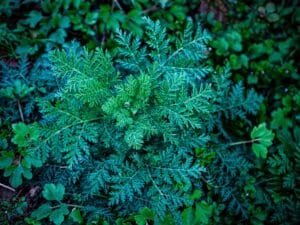
Wormwood (Artemisia absinthium) contains absinthin, a bitter compound that’s unappealing to both ticks and their common hosts, like deer and mice. Its silver foliage adds beauty to your garden while serving as a natural pest deterrent. For tick control near your home, consider planting wormwood in your beds, borders and containers.
Wormwood needs well drained soil and full sun or partial shade to excel, with at least three hours of daily direct sunlight.

Marigolds (Tagetes spp.) are easy to grow and can add a protective and colorful edge to your garden. I plant marigolds in between my vegetables to repel ticks and fleas. They contain pyrethrum a compound commonly used in commercial insect repellents, and emit a strong scent that ticks find offensive. For best results, plant marigolds along yard perimeters, patios, walkways and near entrances to create a natural barrier. They thrive in full sun and well-drained soil, blooming from spring to fall.

Chrysanthemums (Chrysanthemum × morifolium) are a beautiful plant that repels ticks and it’s such an easy to grow flower. It contains a chemical called pyrethrin, a natural insecticide that repels ticks. This chemical is an organic compound that occurs naturally in these plants and it’ll work to shut down tick and flea nervous systems. You can plant chrysanthemums along the borders of your walkways or gardens to ward off pests. Incorporating these flowers into your garden can provide a natural defense against ticks while adding beauty to your landscape.
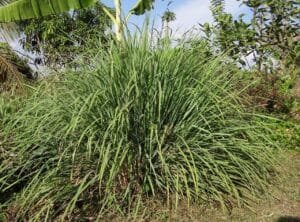
Lemongrass (Cymbopogon) contains citronella oil, which is a well-known insect repellent. Lemongrass grows aggressively and creates a physical and chemical barrier; it thrives in full sun with rich, moist soil and should be kept in large pots or divided regularly to prevent it from overtaking gardens.
Planting lemongrass can help keep ticks at bay and it offers the added benefit of being a delicious culinary herb. Its tasty tea is research-proven to help fight off infections and reduce cholesterol.
Incorporating these plants into your garden not only beautifies the space but also provides an effective barrier against ticks, enhancing your outdoor enjoyment while ensuring safety from these pests.
Designing Your Garden to Deter Ticks
Creating a garden that effectively deters ticks involves thoughtful planning and implementation of various landscaping strategies. One essential approach is selecting plants that are known for their tick-repelling properties. Incorporating these plants not only helps to create a natural defense but also promotes biodiversity in your garden.
Firstly, proper plant placement is crucial. It is advisable to position gardens away from wooded areas or tall grasses where ticks commonly thrive. Instead, opt for open spaces that receive ample sunlight, as ticks prefer moist, shaded areas. When designing your garden, ensure that there are clear boundaries, such as walkways or gravel paths, that provide a barrier and limit tick access to garden beds.
Companion planting is another effective technique for a tick-repelling garden. Certain plants, such as lavender and rosemary, not only repel ticks but also attract beneficial insects, including predators that feed on tick populations. Plant these aromatic herbs near entry points to your home or alongside pathways to enhance tick deterrence. Additionally, consider incorporating other plants like geraniums and mint that may help in repelling ticks due to their scent.
Maintaining a well-maintained landscape is also important. Regularly mowing your lawn, pruning overgrown bushes and clearing away debris can significantly reduce tick habitats. Consider integrating mulch or wood chips in flower beds, as these materials can deter ticks by preventing moisture retention and promoting a drier environment that ticks find less favorable.
Designing a garden that effectively deters ticks requires strategic plant selection, proper placement and ongoing maintenance. By incorporating tick-repelling plants and promoting a healthy ecosystem, gardeners can create a safe and pleasant outdoor space free from ticks.
Maintaining a Tick-Resistant Garden
Regular upkeep is essential to ensure these plants thrive. It’s important to monitor their growth, pruning them when necessary to promote healthy development. This involves removing dead or diseased foliage and ensuring that the plants receive adequate sunlight and water. Healthy plants can more effectively repel ticks, contributing to a safer environment.
In addition to nurturing specific tick-repelling plants, consider the layout of your garden. Keeping grass and shrubbery well-trimmed reduces areas where ticks can hide. Schedule regular mowing and trim back overgrown hedges or shrubs. Creating a clear boundary between your garden and wooded areas can further discourage ticks from invading your space, as they thrive in dense vegetation.
Pest management is another crucial element in maintaining a tick-resistant garden. Use organic pest repellents and natural predators, like birds and beneficial insects, to help control tick populations. Additionally, it’s advisable to regularly inspect your garden for signs of infestations or other pests that could attract ticks.
Seasonal care also plays a key role. As winter approaches, prepare your garden by cleaning up debris that could harbor ticks during colder months. In early spring, ensure that you inspect new growth and remove any lingering leaves or old plant material. Combining these practices creates a comprehensive strategy for maintaining a tick-resistant garden, safeguarding your outdoor space against unwelcome infestations.
While these plants can reduce tick presence, they are not a foolproof solution. For best results, combine planting with other landscaping tactics like stone paths, mulch and regular lawn maintenance to deter both ticks and the host animals, such as deer and mice that carry them.