Introduction to Parasites in Humans
Parasites are organisms that rely on a host to obtain nutrients and survive. In humans, these organisms can be very diverse, encompassing a variety of types including protozoa, helminths (worms) and ectoparasites (such as lice and mites). These parasites can infect individuals through various means, such as contaminated food and water, or even direct contact with infected individuals or surfaces. The prevalence of parasitic infections varies globally, with higher incidences often observed in areas with poor sanitation and limited access to clean drinking water.
The impact of parasitic infections on human health can be significant. Symptoms can range from mild discomfort to severe complications, depending on the type of parasite involved and the duration of the infection. Common symptoms may include gastrointestinal disturbances, fatigue, unexplained weight loss and anemia. In some instances, more serious effects can occur, leading to long-term health issues. It is crucial to recognize and address these infections promptly, as they can compromise the immune system and lead to a decline in overall health.
The importance of addressing parasitic infections cannot be overstated. Untreated infections can exacerbate underlying health conditions and ultimately affect quality of life. Consequently, individuals may seek various remedies to combat these infestations, including the use of herbal treatments. Many herbs possess naturally occurring properties that are believed to aid in eliminating parasites and supporting the body’s functioning, making them a desirable option for those looking for alternative solutions.
Understanding the Role of Herbs in Detoxification
Herbs have long been acknowledged in traditional medicine for their cleansing and therapeutic properties. In the context of detoxification, certain herbs offer unique benefits by aiding the body in eliminating toxins and harmful microorganisms, including parasites. The historical use of herbs in various cultures demonstrates their potential to support bodily functions and promote health.
Modern research has begun to confirm the efficacy of numerous herbs, highlighting their role in combating parasitic infections. For instance, wormwood has been noted for its ability to disrupt the life cycles of certain parasites, while black walnut hulls contain compounds that can kill parasites and their eggs. These herbs function through various mechanisms, such as disrupting the parasites’ metabolism or enhancing the body’s immune response.
The science behind herbal medicine indicates that many of these plants possess antimicrobial properties, making them effective not only against parasites but also against a broader spectrum of pathogens. The compounds found in herbs, such as flavonoids and alkaloids, can play a crucial role in these processes. For example, garlic, renowned for its immune-boosting effects, can create an unfavorable environment for parasites, thereby aiding in their expulsion from the body.
Additionally, the detoxifying properties of some herbs can help cleanse the digestive system, enhancing elimination pathways that may be congested by parasitic activity. Ginger and turmeric, for instance, stimulate digestion and support liver function, both vital for detoxification. As we delve deeper into the potential of herbs for health optimization, it is essential to recognize their significant role in a comprehensive approach to parasite elimination.
Top Herbs for Fighting Parasites
Herbal remedies have been utilized for centuries to combat various ailments, including parasitic infections. This section highlights several powerful herbs known for their anti-parasitic properties, along with insights into their active components and application methods.
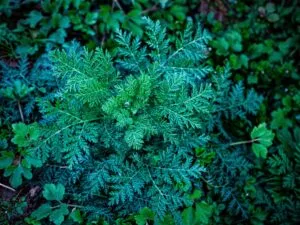
Wormwood (Artemisia absinthium) has been traditionally used to enhance digestive health and fight against intestinal parasites. It contains active compounds such as absinthin and artabsin, which exert anti-parasitic effects by disrupting the membranes of parasites. This herb is typically consumed in the form of teas or tinctures.

Black Walnut (Juglans nigra) The hulls of black walnut are rich in juglone, a compound that is effective against various parasites, including pinworms. Historically, it has been employed in herbal medicine for its potent abilities to cleanse the body of unwanted organisms. Black walnut extract can be taken as a tincture or in capsule form.
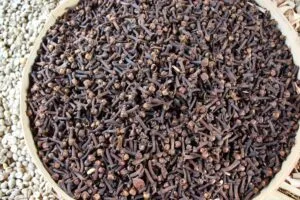
Clove (Syzygium aromaticum) contains eugenol, a potent compound that has demonstrated anti-fungal and anti-parasitic properties. Research indicates that clove can help eliminate parasite eggs, making it a valuable addition to an anti-parasitic regimen. Cloves can be used in cooking, brewed into tea, or taken as capsules.

Garlic (Allium sativum) is well-respected in both culinary and medicinal circles for its ability to fend off parasites. Its active ingredient, allicin, has strong antimicrobial properties. Ingesting raw garlic or using garlic extract in supplements can bolster immune response and help eliminate parasitic infections.
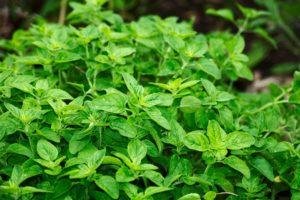
Oregano (Origanum vulgare) Oregano oil, derived from the leaves of the oregano plant, is rich in carvacrol and thymol, both powerful anti-parasitic agents. Scientific studies have shown that oregano oil can effectively inhibit the growth of several parasitic organisms. It can be consumed as an oil, added to meals, or taken in capsule form.
In essence, these herbs not only have rich historical roots in traditional medicine but are also supported by scientific research for their effectiveness against parasites. Incorporating them into diets or utilizing them as supplements may enhance gut health and eliminate harmful parasites from the body.
Practical Tips for Using Herbs Safely and Effectively
When considering the use of herbs for eliminating parasites in humans, it is crucial to approach this practice with caution and informed awareness. The first step towards safe use is to understand the proper dosages. Herbs come in various forms such as teas, tinctures, capsules and fresh or dried herbs, each with different concentrations. Therefore, it is advisable to follow the recommended dosages found on the product labels or seek guidance from qualified professionals.
Individuals should be aware of potential side effects associated with herbal remedies. While many herbs may be well-tolerated, others can cause gastrointestinal discomfort, allergic reactions, or interfere with existing health conditions. Common herbs used for parasitic infections, such as wormwood, black walnut and garlic, can sometimes lead to adverse effects, particularly in sensitive individuals. Keeping track of one’s reactions when introducing new herbs into the diet is essential for ensuring safety.
Interactions between herbal remedies and prescribed medications also warrant careful consideration. Herbs can influence the efficacy and metabolism of pharmaceuticals, leading to unanticipated results. For example, St. John’s Wort is known to affect the potency of several medications, including birth control pills and anticoagulants. To avoid complications, it is prudent to consult healthcare providers before starting any new herbal regimen, especially for those with underlying health issues or who are currently on medication.
Integrating herbs into one’s diet can be accomplished in several ways. Cooking with fresh herbs, adding dried herbs to smoothies, or steeping herbal teas are effective methods to include these beneficial plants in daily wellness routines. Maintaining a balanced approach and being mindful of personal health conditions can enhance the experience of using herbs for parasite elimination.
This post may contain affiliate/referral links. Read my full Disclosure/Disclaimer Policy.