Understanding Mucus in the Lungs
Mucus plays a critical role in the respiratory system, acting as a protective barrier for the lungs and airways. It is a slimy substance produced by mucous membranes and serves several essential functions, including trapping dust, pathogens and other airborne particles. By capturing these potentially harmful agents, mucus helps to prevent infections and maintain lung health.
When the body produces more mucus than normal, it can cause congestion, coughing and difficulty breathing. This condition may arise from several underlying causes.
One common cause of increased mucus production in the lungs is respiratory infections, such as colds or bronchitis. These infections can stimulate the mucous membranes to produce more mucus as the body attempts to flush out invading pathogens. Allergies can also trigger excessive mucus, as the body reacts to allergens like pollen, dust mites, or pet dander, leading to inflammation and increased secretions.
Environmental factors, such as exposure to tobacco smoke or air pollutants, can further exacerbate mucus production. Irritants present in smoke and pollution can damage the respiratory lining, resulting in a compensatory response characterized by heightened mucus production. Chronic conditions, like asthma and chronic obstructive pulmonary disease (COPD), can also lead to persistent mucus buildup, resulting in complications if not properly managed.
Top Herbs for Expelling Lung Mucus
Maintaining optimal lung health is essential for overall well-being, and certain herbs have shown significant potential in aiding respiratory function, particularly in expelling mucus. Among the top contenders for their mucolytic properties are thyme, eucalyptus, mullein, slippery elm, licorice root and ginger. Each of these herbs boasts active components that contribute to their effectiveness in promoting mucus clearance.
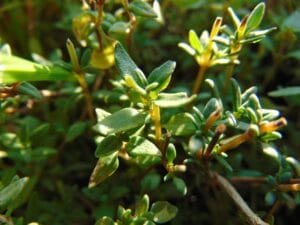
Thyme (thymus vulgaris) a well-regarded herb in herbal medicine, is known for its rich content of thymol, a potent expectorant and decongestant. Thyme contains thymol among other compounds to fight infection and clear congestion.
These compounds possess antimicrobial, anti-inflammatory, and mucolytic properties, making thyme a valuable ally in respiratory health. Traditionally, thyme has been used to relieve coughs and reduce mucus buildup, thus improving breathing and overall lung function.
Eucalyptus (Eucalyptus spp.) is another herb that stands out due to its prominent active ingredient, eucalyptol. This compound not only contributes to eucalyptus’s characteristic aroma but also serves as an effective expectorant. Through its soothing properties, eucalyptus can help loosen mucus in the airways, facilitate easier breathing, and reduce congestion promoting clearer lungs. Eucalyptus helps loosen sticky mucus when inhaled as steam or used in teas.
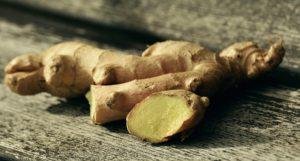
Ginger (Zingiber officinale) widely known for its anti-inflammatory effects, also plays a significant role in respiratory support. The active components in ginger, particularly gingerol, help to alleviate coughs and possesses soothing qualities. By reducing inflammation in the airways, ginger indirectly aids in the effective expulsion of mucus, enhancing respiratory function.
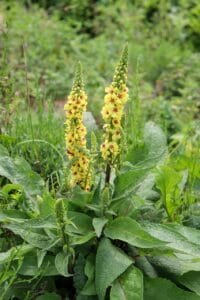
Mullein (Verbascum thapsus) acts as both an expectorant to break down phlegm and a demulcent to soothe irritated airways. It calms and strengthens, relieving swelling and inflammation. Mullein’s soothing properties come from its polysaccharide mucilage and gum content which work to soothe irritated tissue. Its expectorant property is the result of saponins that stimulate fluid production in the lungs.
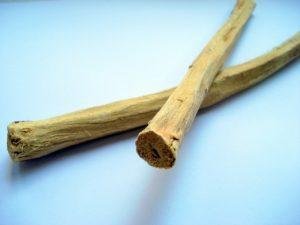
Licorice root (Glycyrrhiza glabra) has a long history of being used to help maintain a clear, calm respiratory system. It contains natural compounds like glycyrrhizin, which has the ability to support mucus membrane health. Licorice root benefits a sore throat or cough immensely as an effective expectorant, helping to loosen and expel mucus that the cough is trying to eliminate.

Marshmallow root (Althea officinalis) has naturally high levels of soothing mucilage, helping to coat and protect the lungs delicate airways. The root soothes inflamed tissue states and supports comfortable breathing helping to calm dry and irritated airways and supports the body’s natural healing processes.
Whether consumed as teas, inhaled as vapors, or utilized in cooking, the benefits of these herbs reflect their traditional uses and effectiveness in promoting better respiratory health.
Methods of Using Herbs for Lung Health
Integrating herbs into your daily routine can be a beneficial approach to promote lung health and aid in clearing mucus. There are various methods to incorporate these natural remedies effectively, each offering unique advantages.
One of the most popular ways to utilize herbs is by preparing herbal teas. Boiling water and steeping dried herbs such as thyme, peppermint, or eucalyptus can release their beneficial properties. For maximum effectiveness, consider drinking herbal teas multiple times a day, allowing the steam to facilitate respiratory relief as well.
Another effective method is through the use of essential oils. Oils can be diffused into the air or diluted with a carrier oil for topical application on the chest. When selected carefully, these oils may provide soothing effects and promote clearer breathing.
Creating tinctures is another effective approach, which involves extracting the active ingredients of the herbs using alcohol or vinegar. The tincture can be taken in small doses, generally a few drops mixed with water. This method ensures a potent concentration of the herbs for quicker absorption into the bloodstream.
Additionally, adding herbs directly into meals is a practical way to enhance both flavor and health. Herbs like oregano and garlic not only enrich dishes but also offer antimicrobial properties that can support lung function.
When preparing these herbal remedies, dosage is crucial. Research appropriate amounts for each herb to avoid any potential adverse reactions. Experimenting with combinations of different herbs can also enhance their therapeutic effects, promoting better lung health and reducing mucus build-up.
By adopting these methods, individuals can leverage the power of herbs in their everyday lives, providing a comprehensive approach to lung health.
Precautions and Considerations
It is paramount to prioritize safety and informed decision-making when using herbs. Consulting with healthcare professionals before incorporating herbal remedies into your routine is highly advisable, especially for individuals with pre-existing health conditions or those currently taking medications. A qualified healthcare provider can offer personalized guidance based on your specific health circumstances, ensuring that the chosen herbal remedies are appropriate and effective.
This post may contain affiliate/referral links. Read my full Disclosure/Disclaimer Policy.