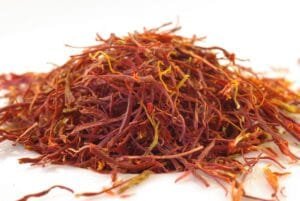
Introduction to Saffron
Saffron (Crocus sativus) is a highly valued spice that is derived from the flowers of the saffron crocus. Each flower produces three vivid red stigmas, which are the coveted parts of the plant. Due to the delicate nature of saffron harvesting, it is considered one of the most expensive spices globally. Each flower blooms only for a few days, and the stigmas must be collected by hand during this short period, emphasizing the labor-intensive process involved. This meticulous method of extraction contributes to its luxury status.
The history of saffron dates back thousands of years, with its origins traced to ancient civilizations in Persia, where it was used not only as a culinary ingredient but also for medicinal purposes and as a dye. Traditional uses of saffron vary across cultures; in Indian cuisine, for instance, it is commonly employed to enhance the flavor and color of dishes such as biryani and sweets. In addition to its culinary applications, saffron has a rich history in traditional medicine, where it has been used to promote overall wellness and treat various ailments.
Saffron is not merely a spice but is recognized for its potential health benefits, which are becoming increasingly relevant in modern times. Studies indicate that saffron may possess antioxidant properties and could benefit mood regulation, making it an intriguing subject for health-focused discussions. Yet it is the underlying health benefits that may solidify saffron’s place in both gastronomy and wellness. As we delve deeper into the advantages of saffron consumption, understanding its origins and traditional significance will highlight its remarkable position in our dietary and health practices.
Nutritional Composition of Saffron
This precious spice is rich in various vitamins, minerals and bioactive compounds that contribute to its health-promoting properties. Among the key active constituents in saffron is crocin, picrocrocin and safranal are noteworthy for their potential health benefits.
Crocin is the compound responsible for saffron’s bright yellow hue known for its antioxidant effects. This pigment has been shown to combat oxidative stress in the body, potentially reducing the risk of chronic diseases such as heart disease and cancer. Furthermore, crocin has been associated with enhancing mood and alleviating symptoms of depression, thereby contributing to mental well-being.
Picrocrocin is another important chemical found in saffron. It contributes to the spice’s distinctive flavor and has also been linked to antioxidant and anti-inflammatory effects. Research indicates that picrocrocin may help protect neurons and improve cognitive function, showcasing its importance in maintaining brain health and preventing neurodegenerative diseases.
Safranal, the compound that gives saffron its aroma, possesses notable therapeutic properties. It may have neuroprotective effects and has been studied for its potential in mood enhancement and anxiety reduction. Additionally, safranal exhibits anti-inflammatory characteristics, which can contribute to overall health by mitigating inflammation associated with various health conditions.
Together, these components make saffron a valuable addition to the diet. The blend of vitamins, antioxidants and other nutrients in saffron underscores its role not just as a culinary spice but also as a potential ally in promoting a healthier lifestyle.
Health Benefits of Saffron
Recent research has highlighted saffron’s remarkable ability to enhance mood and mitigate symptoms of depression. Studies suggest that saffron extracts may work similarly to traditional antidepressants, offering a natural alternative for individuals seeking mood support. In a double-blind placebo-controlled trial, participants taking saffron supplements reported significant improvements in their depressive symptoms compared to those receiving a placebo.
Beyond its mood-enhancing properties, saffron is also recognized for its potential benefits in eye health, particularly in protecting against age-related macular degeneration (AMD). Research has shown that saffron contains powerful antioxidants that may help safeguard retinal cells from oxidative stress, a significant contributing factor to AMD. A study indicated that saffron supplementation could effectively improve visual function in those suffering from early stages of AMD.
Saffron possesses anti-inflammatory properties that can be beneficial for overall health. Chronic inflammation is linked to various health issues, including heart disease and cancer. The active compounds in saffron, such as crocin and safranal, have demonstrated the ability to reduce biomarkers of inflammation in human studies. This characteristic makes saffron a potentially protective agent against inflammatory diseases.
Additionally, saffron has been associated with improvements in memory and cognitive function. Some studies suggest that this spice may enhance memory retention and recall due to its neuroprotective effects, which are believed to stem from its antioxidant activity.
How to Incorporate Saffron into Your Diet
Incorporating saffron into your diet can be a delightful way to enhance not only the flavor of your dishes but also to enjoy its numerous health benefits. Saffron can be added to various recipes to elevate their taste profile. Here are some practical tips and suggestions to help you embrace saffron in your meals.
One classic method of utilizing saffron is by infusing it in warm liquids, such as broth or milk, before adding it to your dishes. To properly infuse, soak a pinch (approximately 10-15 threads) of saffron in two tablespoons of warm water or broth for about 10-15 minutes. This method releases its pigments and flavors more effectively. You can then stir this infusion into your favorite risottos, paellas or soups, adding a rich golden hue to your meal.
Another excellent way to enjoy saffron is in desserts. Saffron can be used in creams, custards and cakes, enhancing sweet treats with a unique taste. For instance, adding saffron to rice pudding or as an ingredient in Indian sweets like gulab jamun can create a luxurious experience. A few strands can transform a simple dessert into a gourmet delight.
While saffron is generally safe for consumption, moderation is key. The recommended daily dosage of saffron for health benefits is around 30 mg. Consuming saffron in excess may lead to some side effects such as nausea or headaches. Additionally, if you are pregnant, breastfeeding, or taking medications, consult with a healthcare provider to ensure saffron does not interact with your existing treatments. By carefully exploring various recipes and usage methods, you can enjoy saffron as a flavorful addition to your diet while reaping its health benefits.