Introduction to Purslane
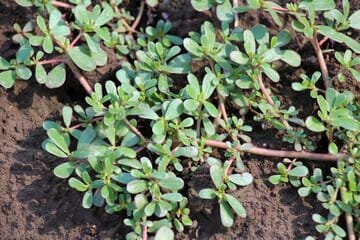
Purslane (Portulaca oleracea) is a succulent annual plant recognized for its distinctive, fleshy leaves and tiny yellow flowers. Purslane has a sprawling growth habit that allows it to flourish in a variety of environments. This plant showcases a vibrant green color, with leaves that are smooth and somewhat oval-shaped, making it visually appealing and an interesting addition to various culinary dishes.
Traditionally, purslane has been used across numerous cultures for both culinary and medicinal purposes. Its history dates back to ancient civilizations, where it was consumed as a food source and utilized for its health benefits. This plant is known to thrive in temperate regions and can often be found growing in gardens, fields and even as a weed in urban areas, displaying its resilience and adaptability to different conditions.
Nutritional Profile of Purslane
Purslane often regarded as a common weed, is a nutrient-dense leafy green that is packed with an array of vitamins, minerals and beneficial compounds. This succulent plant stands out for its exceptional profile featuring omega-3 fatty acids, antioxidants, vitamins A, C and E, making it a valuable addition to any health-conscious diet.
One of the most significant nutritional attributes of purslane is its high content of alpha-linolenic acid (ALA), a type of omega-3 fatty acid. ALA is an essential fat that plays a crucial role in heart health by reducing inflammation and lowering blood pressure. The presence of omega-3 fatty acids in purslane can contribute to improved cognitive function and overall well-being.
Purslane is also a rich source of antioxidants, including vitamins C and E, which help combat oxidative stress in the body. These antioxidants are instrumental in neutralizing free radicals, potentially lowering the risk of chronic diseases such as heart disease and cancer. Vitamin C further supports the immune system and aids in collagen production, which is vital for skin and joint health.
Additionally, purslane is abundant in vitamin A, which is essential for maintaining healthy vision, skin and immune function. Just one serving of purslane can significantly contribute to the daily intake of this important nutrient. Beyond vitamins, purslane is packed with minerals such as magnesium, calcium and potassium, all of which play various roles in the body’s metabolic processes and contribute to bone health.
The rich nutritional profile of purslane highlights its potential as a superfood, offering an impressive combination of omega-3 fatty acids, antioxidants and essential vitamins and minerals. Including purslane in your diet can enhance overall health and provide significant nutritional benefits.
Health Benefits of Purslane
Culinary Uses of Purslane
One of the most common uses of purslane is in salads. Its slightly tangy, lemony flavor and juicy leaves and crunchy stems can add a delightful texture and flavor profile to any green salad or grain bowl. It pairs especially well with ingredients like tomatoes, cucumbers and avocados. Purslane can also serve as a garnish for dishes, providing a fresh and zesty finish that enhances the overall presentation.
In addition to salads, purslane can be used in soups and stews. When cooked, the leaves wilt down and impart a subtle earthy note to broths and sauces. Adding the plant to vegetable stews can elevate the dish, offering an additional layer of flavor while also boosting the nutritional content. Its ability to withstand heat makes it suitable for cooking, as it maintains its integrity and flavor without losing its distinct characteristics.
Modern recipes have begun to embrace purslane in various innovative ways. It can be blended into smoothies for a nutritious boost, used as a filling in sandwiches and wraps or even incorporated into dips. Its unique texture allows it to complement both hearty and delicate dishes alike. Furthermore, the incorporation of purslane into traditional recipes can provide a new twist on familiar flavors, showcasing its ability to adapt to evolving culinary trends.
Ultimately, the versatility of purslane in the kitchen highlights its potential as a healthy ingredient that not only enriches the dining experience but also encourages the exploration of new recipes and cooking methods.