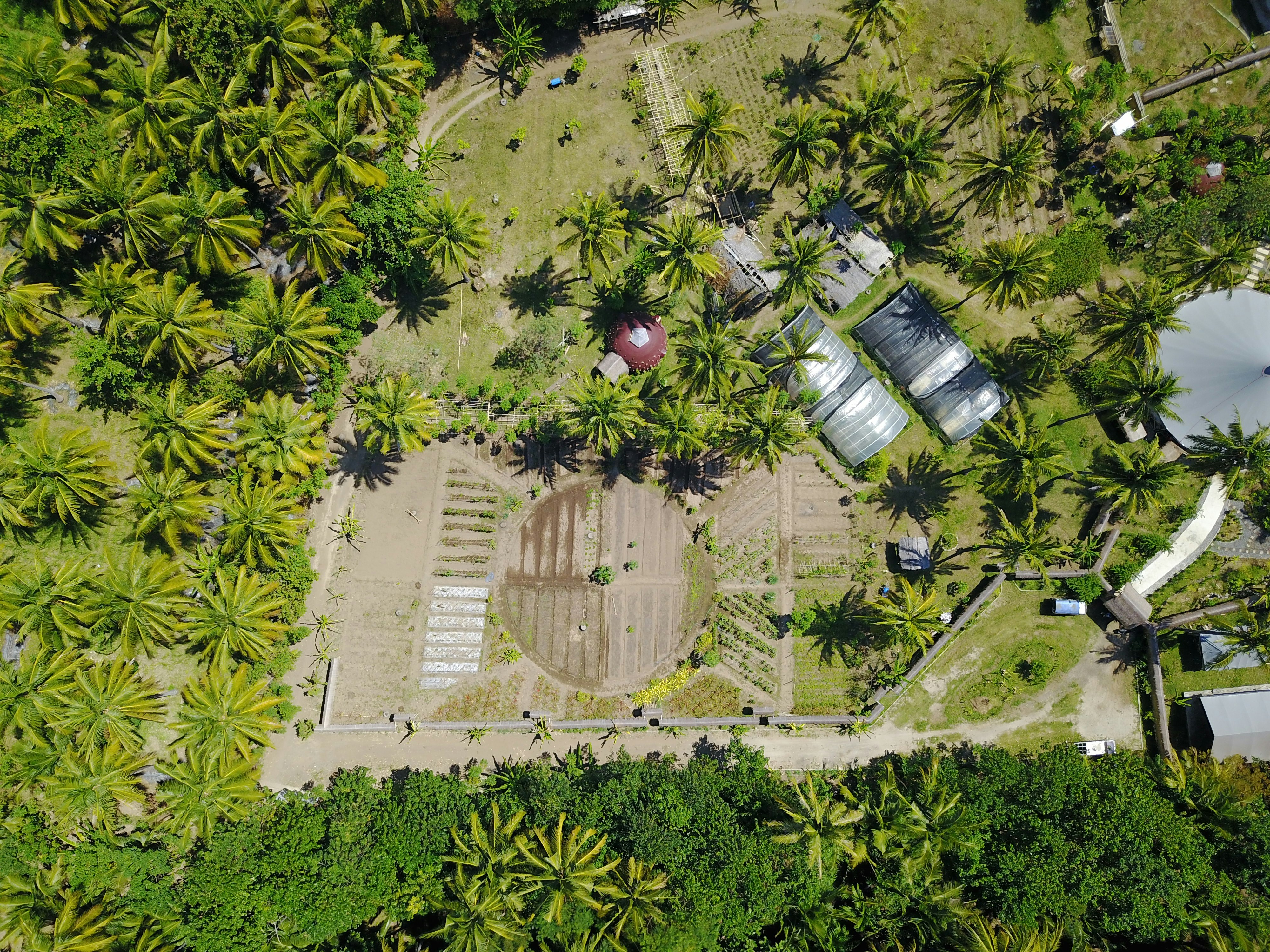
What is Permaculture?
Permaculture, a term derived from “permanent agriculture” and “permanent culture,” is a holistic approach to farming and land use design that emphasizes sustainability, biodiversity and ecological balance. The concept originated in the 1970s through the work of Bill Mollison and David Holmgren, who sought to create agricultural systems that mimic natural ecosystems. Unlike conventional farming methods that often rely heavily on chemical inputs and mono-cropping, permaculture practices encourage a diverse and self-sustaining agricultural ecosystem.
At the core of permaculture are three ethics: care for the earth, care for people and fair share. These ethics guide the design and implementation of permaculture systems, aiming to create agricultural environments that are not only productive but also support the health and well-being of all living beings. The design principles of permaculture include observing and interacting with nature, using renewable resources and valuing diversity. These principles serve to inform the decisions made by permaculture practitioners, leading to resilient and adaptable systems that can thrive in various climates and conditions.
Permaculture is also characterized by its emphasis on creating closed-loop systems, where waste from one component becomes a resource for another. This contrasts sharply with conventional agriculture’s linear approach of input-output, which often leads to resource depletion and environmental degradation. By focusing on the integration of plants, animals, buildings and technologies, permaculture aims to create sustainable environments that positively contribute to the ecological and social fabric of their communities.
Understanding permaculture is essential for gardeners and farmers looking to adopt more sustainable practices. By integrating ecological principles with thoughtful design, permaculture offers a pathway to meet the growing demands for food while fostering healthy ecosystems.
The Ethics of Permaculture
Permaculture is rooted in the fundamental ethical principles that shape sustainable living. The three core ethics—care for the earth, care for people and fair share—serve as guiding tenets for practitioners and advocates of this holistic gardening philosophy. Care for the earth encompasses not only the conservation of natural resources but also the protection of biodiversity, soil health and the overall ecosystem. This principle is essential for creating a nurturing environment that allows for organic growth and sustainability over time.
Equally crucial is the principle of care for people. This aspect emphasizes the importance of community and social equity in permaculture practices. Permaculture seeks to cultivate relationships among individuals and communities, fostering cooperation and knowledge sharing to empower everyone involved. By prioritizing human welfare, practitioners aim to create inclusive spaces where all members have access to resources, education and opportunities to participate in the gardening process.
The final ethical pillar, fair share, advocates for the equitable distribution of resources and the responsible use of surplus. In a permaculture garden, this principle encourages not only the effective management of natural resources but also the mindful sharing of harvest with others, promoting a cycle of abundance. By practicing fair share, gardeners contribute to the resilience of their communities, widening the circle of those who benefit from sustainable practices.
These ethical considerations play a pivotal role in guiding gardening decisions and practices, allowing individuals to align their actions with broader ecological and social goals. When the ethics of permaculture are deeply integrated into the gardening process, they inspire a profound relationship between people and nature, fostering a sustainable future for all.
Benefits of Permaculture in Gardening
Permaculture is a holistic approach to gardening that emphasizes sustainability and harmony with nature. One of the primary benefits of implementing permaculture techniques is the enhancement of soil health. By using methods such as composting, cover cropping and crop rotation, gardeners can improve soil fertility and structure. These practices not only lead to richer soil but also promote microbial diversity, which is crucial for nutrient cycling and plant health. Healthy soil is foundational for productive gardens, making it a perennial objective in permaculture systems.
Another significant advantage of permaculture is its ability to reduce water usage. By employing techniques like swales, rain gardens, and mulch layers, gardeners can effectively manage water resources. These methods allow for rainwater harvesting and minimize evaporation, ensuring that plants receive adequate moisture without excessive irrigation. Consequently, gardens designed with permaculture principles can thrive in dry or arid regions, demonstrating resilience to changing climatic conditions.
Furthermore, permaculture gardening promotes biodiversity. A permaculture garden typically includes a variety of plants, including perennials, annuals and native species, which creates a balanced ecosystem. This diversity attracts beneficial insects, pollinators and wildlife, ultimately leading to a more resilient garden that can better withstand pests and disease. The interdependence of species in a permaculture system fosters natural pest control and mutual support among plants, which amplifies the overall productivity of the garden.
Creating resilient ecosystems is another key benefit of permaculture gardening. By mimicking natural ecosystems, gardeners can establish systems that are less reliant on external inputs like fertilizers and pesticides. This approach not only decreases environmental impact but also promotes a balanced network of life that thrives over time. Ultimately, adopting permaculture principles in gardening offers numerous benefits, making it an appealing option for those seeking to cultivate a sustainable and productive outdoor space.
Getting Started with Permaculture in Your Garden
Beginning your journey into permaculture can be both exciting and overwhelming, but with the right approach, you can cultivate a sustainable garden that thrives. The first step is conducting a site assessment. This involves evaluating the natural resources available in your garden, including sunlight, wind patterns, soil quality and existing vegetation. Understanding these elements will feed directly into how you design your permaculture layout.
Next, consider the layout of your garden space. Permaculture designs often utilize zones to organize areas based on their function and frequency of use. For example, placement of perennials in Zone 1, near the house, can be beneficial for easy access and maintenance, while orchards or larger cropping areas may be placed in outer zones. Companion planting—where different plants benefit from each other’s presence, such as planting nitrogen-fixing legumes next to heavy feeders—should also be a crucial consideration when designing your plots.
When choosing plants, prioritize native species and those that are well-adapted to your climate. Incorporating a mix of annuals, perennials and vegetables can create a diverse ecosystem that promotes resilience against pests and diseases. Additionally, consider planting for year-round harvests by staggering your crop production. Not only does this maximize your garden’s productivity, but it also ensures continuous food availability.
Utilizing local resources is beneficial in any permaculture garden. This can range from using compost made from kitchen scraps to collecting rainwater for irrigation. Reach out to your community for shared resources, such as tools or seeds, and participate in local initiatives to enhance your garden’s sustainability. Through these actionable steps, you can effectively implement permaculture methods and work towards creating a thriving ecosystem in your garden.