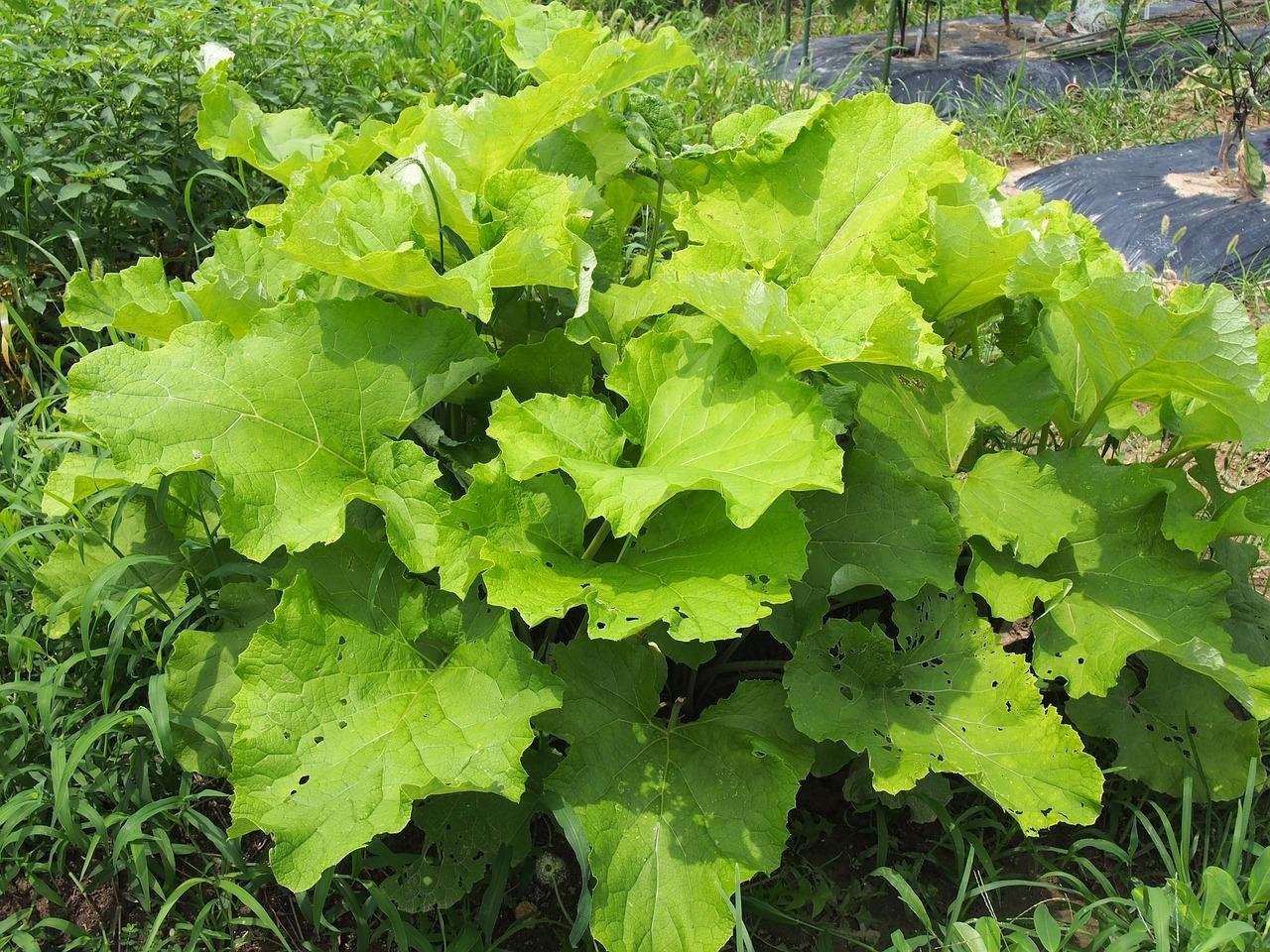
Introduction to Burdock Plant
The burdock plant, scientifically known as Arctium, belongs to the Asteraceae family, which comprises a diverse group of flowering plants. With several species existing, the most common one is Arctium lappa, commonly referred to as greater burdock. This biennial plant exhibits a distinctive appearance, characterized by its broad, heart-shaped leaves that can grow up to 2 feet in length, and its tall, hairy stems, which can reach heights of 5 feet or more.
Burdock thrives in various environments, primarily in temperate regions across Europe, Asia and North America. Preferring disturbed soils, it can often be found along roadsides, in fields and in waste areas, showcasing its adaptability. The plant produces purple thistle-like flowers that bloom in late summer, attracting pollinators such as bees and butterflies, ultimately leading to the development of its unique seed pods featuring burrs that latch onto clothing and fur, aiding in seed dispersal.
Historically, this plant has held significant cultural importance in different societies. For centuries, burdock has been an integral component of traditional medicinal practices, particularly in Asian herbal medicine. The roots have been used for their purported health benefits, often incorporated in remedies to promote detoxification and support digestive health. Furthermore, burdock has also been a staple in various cuisines, particularly in Japanese cooking, where young burdock roots, or “gobo,” are considered a delicacy rich in nutrients.
In folk medicine, burdock has been revered for its potential anti-inflammatory and antioxidant properties, with various preparations, including teas and tinctures, utilized to harness its health benefits. By understanding the burdock plant’s ecological traits and cultural significance, we can appreciate its longstanding role in both nutrition and wellness across numerous traditions.
Nutritional Profile of Burdock
Burdock is a plant renowned not only for its culinary uses but also for its impressive nutritional profile. This biennial plant offers various parts that can be consumed, with its roots and leaves being the most prominent in dietary application. Burdock root is particularly rich in essential nutrients, making it a staple in traditional medicine and modern health food.
One of the standout features of burdock root is its high concentration of inulin, a type of prebiotic soluble fiber. Inulin promotes digestive health by supporting beneficial gut bacteria, aiding in nutrient absorption and potentially improving insulin sensitivity. Furthermore, the root also contains significant amounts of complex carbohydrates, which supply sustainable energy while contributing to a feeling of fullness.
In terms of vitamins, burdock root is a valuable source of Vitamin C, which plays a critical role in immune function and skin health. Additionally, it provides several B vitamins, including B6, niacin and riboflavin, all of which are vital for energy metabolism and cognitive function. The leaves of the burdock plant also contribute to its nutritional value, being rich in Vitamin K and other essential nutrients.
Moreover, burdock is packed with minerals such as potassium, magnesium and iron, which are important for maintaining various bodily functions, including muscle and nerve health. Antioxidants found in burdock, including quercetin and phenolic acids, contribute to its anti-inflammatory properties and combat oxidative stress, further enhancing its health benefits. Overall, the unique nutritional components of burdock serve to support a healthy lifestyle, showcasing it as a potent addition to dietary regimes.
Health Benefits of Burdock
Burdock often regarded as a beneficial addition to the diet, offers a multitude of health advantages that underscore its status as a nutritional powerhouse. One notable benefit is its ability to aid in detoxification. This detoxifying quality helps promote liver function, thereby facilitating the elimination of toxins and impurities.
Beyond detoxification, burdock is also renowned for its positive impact on digestive health. The root contains inulin, a type of prebiotic fiber that supports the growth of beneficial gut bacteria. By fostering a healthy gut microbiome, burdock can enhance digestion and nutrient absorption while potentially alleviating symptoms of digestive disorders such as bloating and constipation.
Regulating blood sugar levels is another significant health benefit attributed to burdock. Several studies have indicated that the consumption of burdock may improve insulin sensitivity and lower blood glucose levels, making it a valuable food for individuals managing diabetes or insulin resistance. Additionally, this root may support skin health, as its antibacterial and anti-inflammatory properties can help alleviate skin conditions such as acne or eczema.
Burdock is believed to bolster the immune system due to its rich content of vitamins and minerals. This immune support can be vital, particularly in cold and flu seasons. Emerging research also suggests that burdock may possess anti-inflammatory and anti-cancer properties, with several compounds exhibiting potential in inhibiting the growth of cancer cells. While more rigorous studies are needed, both anecdotal evidence and preliminary research hint at the promise of burdock in cancer prevention and treatment strategies.
How to Incorporate Burdock into Your Diet
Incorporating burdock into your diet can be both an enjoyable and beneficial experience. This versatile root vegetable, known for its unique flavor and numerous health benefits, can easily be featured in a variety of meals. One of the most common methods of preparation includes peeling and slicing fresh burdock roots to add to stir-fries, soups, and stews. The earthy and slightly sweet flavor of burdock pairs well with other vegetables and proteins, enhancing the overall taste of your dish.
For those seeking different culinary experiences, burdock can also be pickled or roasted. Pickling burdock not only preserves its texture but also adds a tangy depth of flavor. Simply slice the root, and soak it in a mixture of vinegar, sugar, and spices for a delightful side dish. Roasting burdock enhances its natural sweetness and creates a crunchy texture. Toss the sliced root with olive oil, salt, and pepper, and roast in an oven until golden brown. This can serve as a brilliant snack or a healthy addition to salads.
When sourcing burdock, fresh roots can often be found at Asian grocery stores or farmer’s markets. When selecting burdock, look for firm roots that are free from blemishes or soft spots. To store burdock, wrap it in a damp paper towel and then place it in a plastic bag in the refrigerator; this can help prolong its freshness. As for serving sizes, it is typically recommended to start with small amounts—about ¼ cup—especially if it’s your first time consuming it. Additionally, while burdock is generally safe for most individuals, those taking certain medications or with specific health concerns should consult a healthcare professional prior to integrating this root into their diet.